
T FOR THING-KUHNG (THINKING)
I’ve been thinking about thinking, man. Long and hard.

Thinking is analogous to motion and speed. Thought finds physical expression in the metaphor of cogs spinning in our skulls, churning light, milky thoughts into something buttery. Left-brain thinking, right-brain thinking, under, over and deep thinking are five-dimensional directions that navigate humanity’s course across fertile neural frontiers. Curiosity beckons us forward in a race against all other living things. And that same curiosity has rewarded us with the joys of being more than monkeys in search of today’s banana. But, like great grandpa’s horse and cart, thinking is being taken over by the generational promise of a faster lane, a smoother ride, fatter rims and a doper sound system.
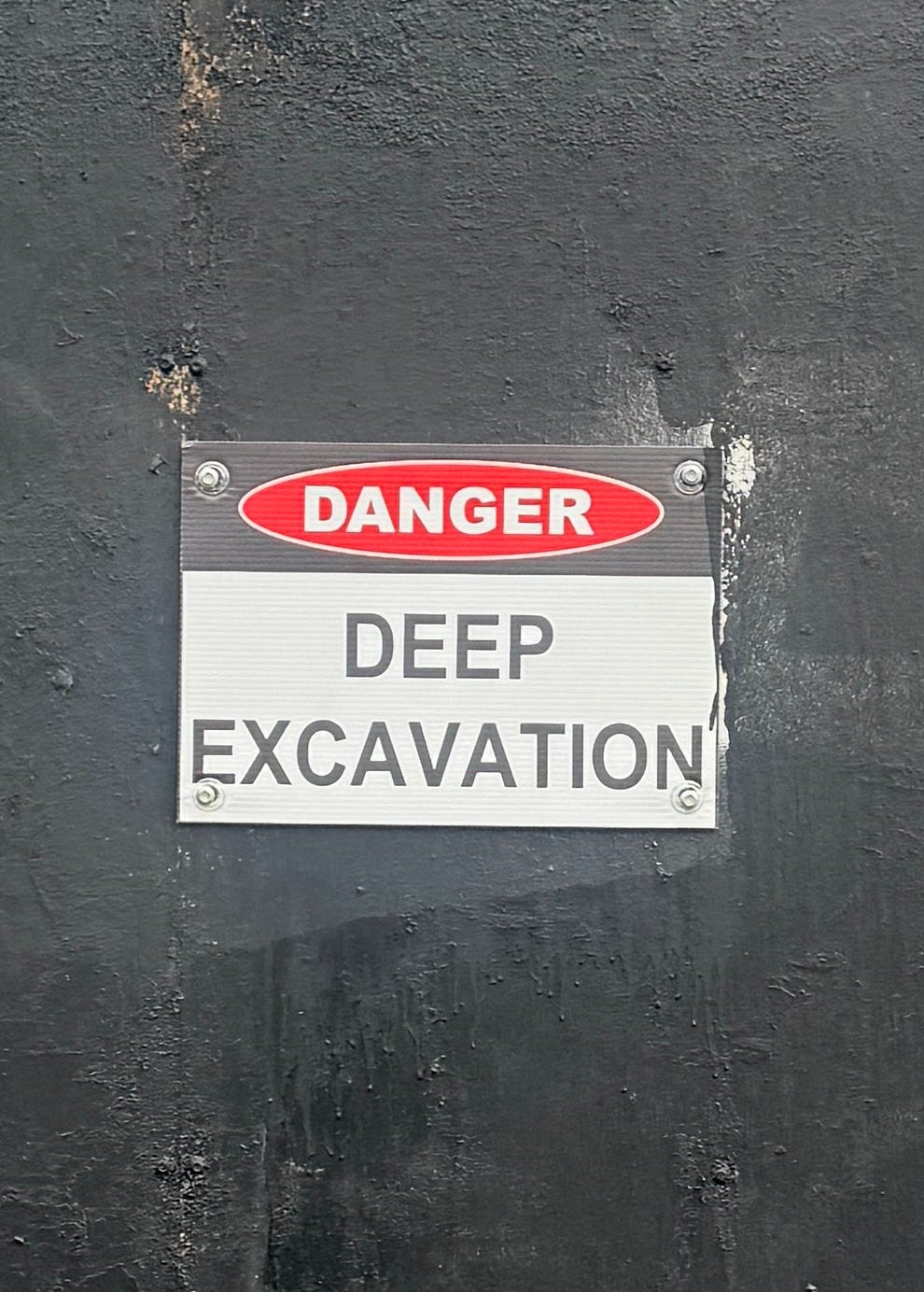

Illustrations of deep thinking (L) and overthinking (R).
Do bees get pissed off when we steal their honey?
Unadulterated, free-range thinking occurs when we’re made aware of a gap between what we know and what we need to know, with only ourselves to bridge the divide between the two. Biologically, humans yearn to find themselves at this juncture, hooked on the end of a fortuitously placed question mark. Our brains flood with dopamine, reacting to a lapse in immediate reality, as if a Dobermann got up on two legs and flashed us its undies on the bus. Isolated from logic, thoughts fire off hypotheticals, intricate backstories, analogies and midnight epiphanies blindly through closed doors. They zig-zag drastically from mundane queries: Do bees get pissed off when we steal their honey? To feral: What if I stole that leathered-up bikie’s hog and drove that bitch off a goddamn jetty? To introspective: If I didn’t spend five hours a day on TikTok, would I be able to play Jean-Baptiste Accolay’s Concerto in A minor on violin? In an idle state, amongst the gently frayed fabric of reality, we live freely by thinking critically and openly, for better or for worse.

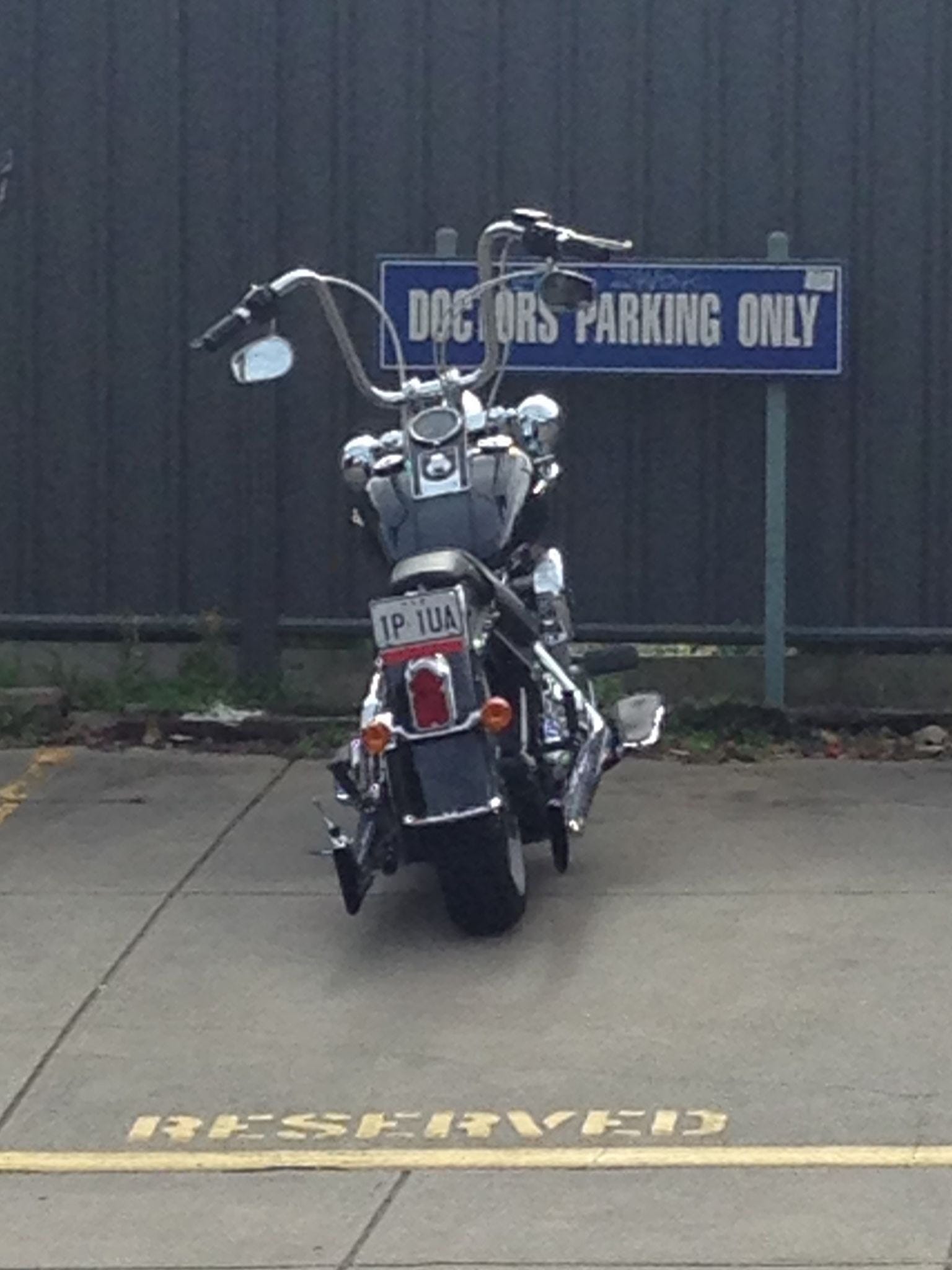
Glitches in the wild provoking curious questions.
The greatest minds of our generation are being demoted from pursuing larger causes to kicking an unwanted can down the road.
Henry Ford of the eponymous Ford Motor Company brought into the world a cheap, accessible car for the masses to travel far and wide. He alleviated the friction in transit and opened up communities, but at what cost? Thousands of additional pains in the arse we never really asked for: overcharging mechanics, blown head gaskets, road rage, fossil fuel consumption, car sickness, and parking fines. The invention of a hyper-accurate watch made us on time on one hand, and late on the other. Historically, when we lose friction to a tool, we also inherit friction elsewhere, as nothing in existence is ever truly lost. But do the net positives outweigh the net negatives? Usually. Do we lose a little magic every time we upgrade? Unquestionably.
The old ways are romantic and closer to our ancestral wants and needs: handwritten letters, cooking a hot pie from foraged berries, roaming the land and doing things very badly for shits and giggles. We need advancement, and the small accelerationist streak in me knows that a select few tools won’t derail evolution. What will, though, is an army of entrepreneurs linking and building in thought-leader pods of echoing narcissism. As investors flood in to capitalise on the party, the greatest minds of our generation are being demoted from pursuing larger causes to kicking an unwanted can down the road, formulating tools with no purpose other than to add obstacles between us and our agency.
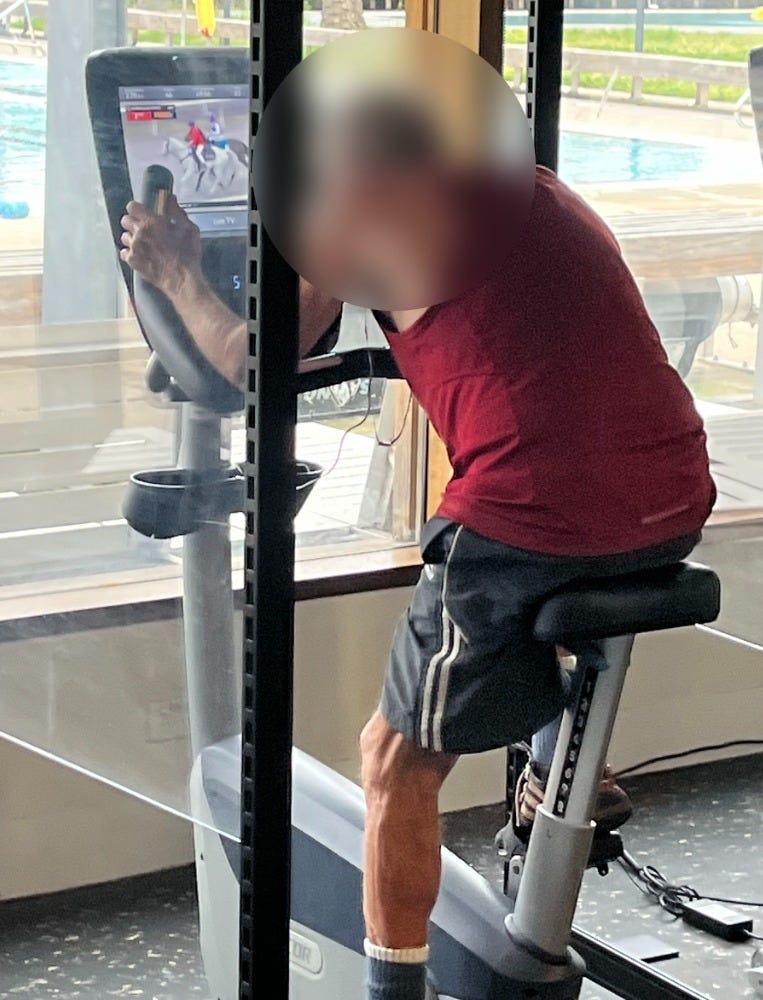

Ancestral wants and needs do not include: treadmill solitaire or stationary bike horse racing.
When thoughts are downloaded and delivered on a silver platter, we toss them away without gnawing the bone or chewing the fat.
Overdependence on tools creates an overly cautious, sterile environment. Rolling hills of endless office cubicles with no urgency and no problems to resolve, except the ones the workers created to excuse their own existence. In stark contrast, the divine potency of what we can call thinking through feeling is possible under strictly hazardous, erratic and imperfect conditions. Picture it as repeatedly launching your prized muscle car into seemingly open air, only for the front wheels to land on solid ground every time. Or normalising the earth collapsing behind you every step you take. These gut-wrenching scenarios are the grand stakes that reward the very human instinct of needing to feel alive. For as long as we have existed, we’ve had to let the inner freak out to conjure the appropriate gall and spin this green-and-blue ball on its axis. If all thoughts were safely dropped into our mouths like a mother bird feeding a worm to its young, then we wouldn’t earn them in the hunt. When thoughts are downloaded and delivered on a silver platter, we toss them away without gnawing the bone or chewing the fat. We require the scar of emotion, context, trials and tribulations to prove the story and win the fading luxury of lived meaning.
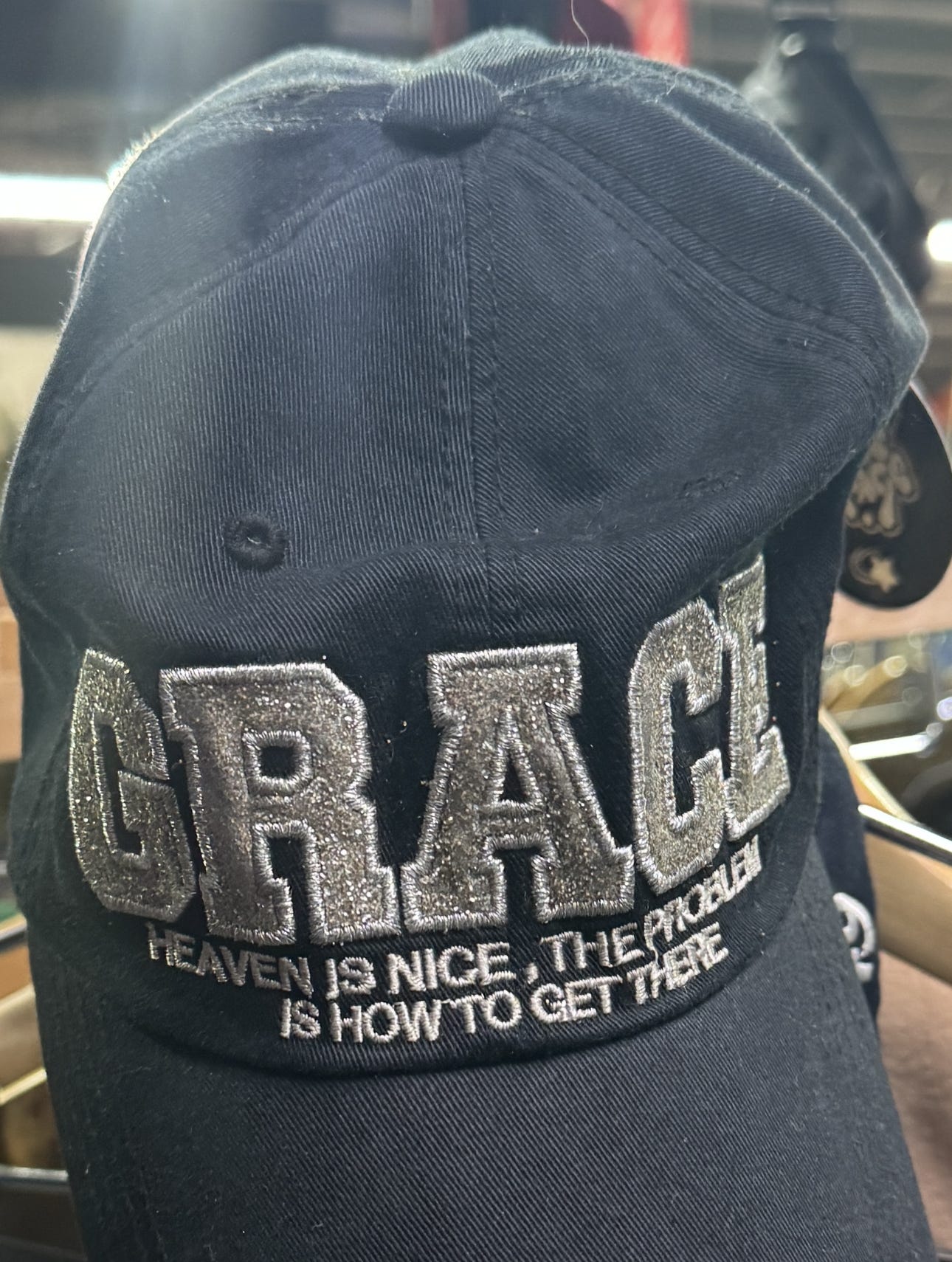
There are no problems, rights, or wrongs, only different paths towards heaven.
Mathematician Claude Shannon proposed “the more predictable a message, the less information it contains.” Shannon was measuring information, but perhaps meaning lives in the same places information does. If that’s true, what is more information-rich than the wildly unpredictable ups and downs of human error and emotion? Silver platter thoughts arrive logically by the shortest possible route from kitchen to table. Feeling thoughts take the scenic drive, get lost, and double back over the river crossing with water up to their windows. They discover places that the level-headed pacifist only hears about on TV sets in air-conditioned rooms on cruise ships. They’re different and interesting in a way that nobody has ever told a story about the flight that landed on time or the road trip that achieved the best fuel economy. What we perceive as faults holds orders of magnitude more information than the contents of every data centre, draining Planet Earth of its whimsy and sparkle. The longest-running grift of recorded human experience is being conned into buying tools when we have nearly everything we need at birth to be satisfied. Wherever we fall short, we’re programmed to fill in the gaps. The entropy that bridges our flaws breeds personality, cultural texture, and an unquantifiable something we’ve used to string together this dream run from the aforementioned monkey-and-banana to now. Growth like this can’t be mimicked or optimised with any sort of meaningful accuracy. It’s the result of trillions of well-timed accidents rolling outwards from an enormous explosion we could never recreate, a testament to the dumb luck of our species.
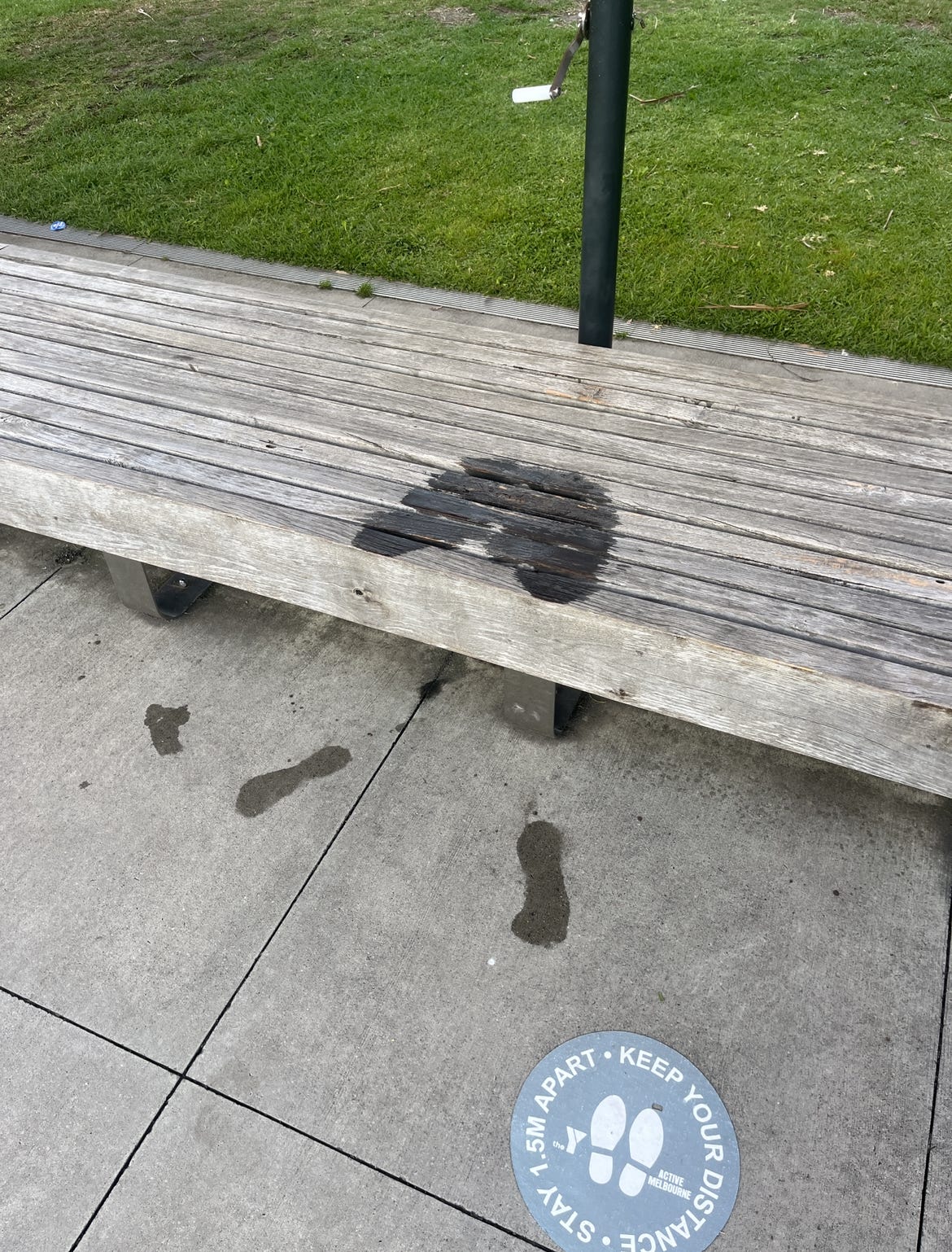
Life being understood backwards and lived forwards through the study of our fleeting impressions on the world.
We are only in danger when the tools stop extending human function and start replacing human participation.
There is no frictionless route to avoid the atrophy of thought. But when viewed optimistically through the glass-half-full lens of accelerationism, we are only in danger when the tools stop extending human function and start replacing human participation. Given the circumstances, the best way forward is the one the Danish theologian and philosopher Søren Kierkegaard pointed to nearly two centuries ago: “Life is understood backwards, but it must be lived forwards.” It’s time to stop giving so much of ourselves to shaping tools that carve away a sacred chunk of us. To strike away that sculpting hand with curiosity as it works us into a form devoid of the vital backbone our ancestors fought so hard to grow over these past millennia. Hunt for questions without logical answers. Entertain the batshit crazy longer than is comfortable. Arrive at thoughts with battle-hardened, love-soaked feelings instead of opting for feeding tube convenience. Think from the part of yourself that nothing can automate, dictate or tame. Think from the glowing ball of energy inside you that nothing can dull or autocorrect into submission. Think with feeling, you lucky fucking human.